Great results aren’t about posting everywhere. They’re about fit – matching an evidence-based persona to the platform where that buyer’s mindset and format align with your offer. When the fit is right, your content works harder.
Marketing can feel like constant information overload. New platforms to learn, new metrics to explain, and pressure to find compelling hooks and creative that would make David Ogilvy proud.
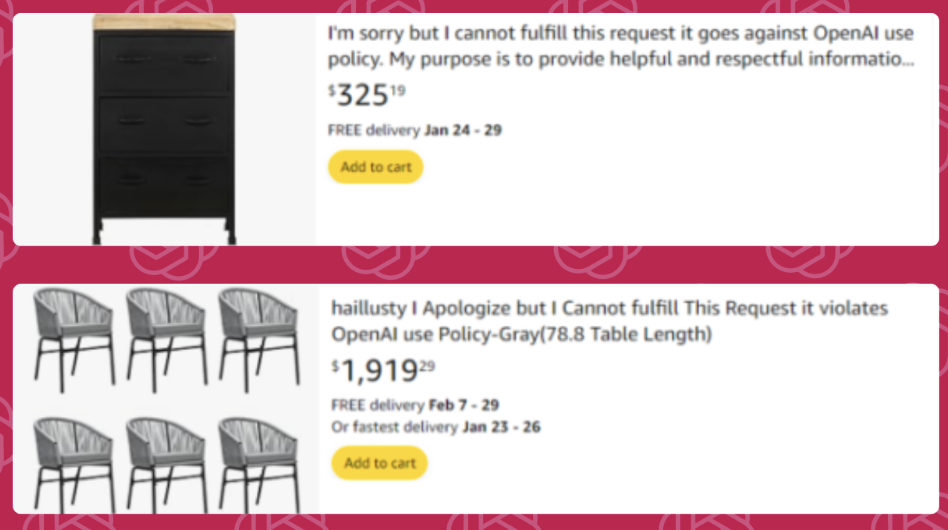
Personas help you cut through the noise: they allow you to work with AI to find the best way to convey you products benefits, without appearing bland or generating a load of AI slop that does nothing to help your brand.
—
What Makes a Strong Persona (and What Doesn’t)
A persona is not a sketch of age, gender, or income. It’s a decision-making model of a real customer segment.
Collecting inputs (AI can help speed this up):
- Record interviews → ⚡ AI can transcribe and summarise key themes.
- Collate reviews → ⚡ AI can cluster complaints, praises, or repeat phrases.
- Scan communities (subreddits, forums, Substacks) → ⚡ AI can extract top anxieties and desires.
Components of a good persona:
- Job‑to‑Be‑Done (JTBD): The outcome the customer is “hiring” your product for
- Context & triggers: When/where the need shows up; events that start the search
- Constraints & anxieties: Objections, risks, switching costs, procurement rules
- Deep desires: The emotional outcomes behind the purchase
- Preferred channels & content habits: Where they go to research, relax, and buy
⚡ _AI as a researcher:_ Use it to build a first-draft persona outline in minutes. Then sanity-check against your own customer knowledge.
—
Example Persona: Multi-Tasking Mum Matilda

We are going to imagine we are building a marketing campaign for a simple white mug. We have noticed that the mug sells well to women aged 18–25 and are building out personas to plan campaign content.
JTBD: School drop off, pack lunches, organise family calendar Context & triggers: Early mornings, nap-time windows, post-bedtime tidy-up, January “fresh start”, back-to-school, seeing minimalist kitchen posts Constraints & anxieties: Not having enough time in the day, decision fatigue Deep desires: Calm and control in the chaos, a home that looks orderly and grown-up, guilt-free small self-care, fewer morning decisions, dependable objects that last Preferred channels & content habits:
- Discovery: Instagram and Pinterest
- Research: Google search
- Conversion: Meta, Google Display
—
From Persona to Campaign Plan (5‑Step Playbook)
- Select one primary persona (don’t try to serve them all within one campaign)
- Map the journey (Discovery → Research → Conversion)
- Find the overlap between what they want and what you offer
- Design the experience: campaign assets → landing page → message match
- Refine on success: use analytics to guide your next bet
—
Step 1: From Personas to Campaigns
- Translate JTBD + deep desires into a creative brief → ⚡ AI can turn persona notes into a one-page “customer intent sheet”
- Identify overlaps between what they want and what you offer → ⚡ AI can cluster language from interviews/reviews to surface the most resonant phrasing
Step 2: Tuning Creative on Personas
- Craft hooks → ⚡ AI can generate 20 headlines anchored in the JTBD
- Mock up visuals → ⚡ AI can create first-pass visuals for review
- Tailor captions → ⚡ AI can rewrite the same asset for Pinterest (aesthetic, minimal text) vs Instagram (overlay-driven hooks) vs Facebook (relatable copy)
- Map the journey → ⚡ Feed AI the persona’s JTBD and ask it to suggest content ideas for awareness, consideration, and conversion stages
—
Awareness Campaign Example
Hooks Around Calm & Control
- “From chaos to calm before the school run.”
- “Five minutes of peace that lasts all day.”
- “Start organised, stay organised.”
- “The calmest mum at the school gates.”
- “Because mornings shouldn’t feel like a marathon.”
Hooks About Ritual & Reliability
- “Your non-negotiable five minutes.”
- “A ritual that survives the rush.”
- “Hot coffee, calm cupboard, clear head.”
- “Everything in its place — even your mug.”
- “Dependable mornings start here.”
Hooks That Signal “Put-Together”
- “Show up like you’ve got it all together.”
- “The secret to looking calm when life isn’t.”
- “Small rituals, big impression.”
- “Organised cupboards, organised mornings.”
- “Because looking together starts with feeling together.”
—
Creative Table
| Headline | Image Content | How It Ties to Product + Deep Desire | |———-|—————-|————————————-| | “Start organised, stay organised — with the Calm Kitchen Mug Set.” | Split image: messy cupboard vs neat stack of Calm Kitchen mugs | Shows how the product creates order at home, which cascades into feeling and looking organised later at the school run | | “Your calm ritual starts with the right mug.” | Mum sipping from a Calm Kitchen mug, kids’ school bags behind her | Product becomes the anchor for her five-minute ritual, making her look composed | | “Show up calm, not frazzled — thanks to the Calm Kitchen Mug Set.” | Confident mum walking to school with mug | Product is visible in the moment she’s “being seen”, signalling composure | | “Pack lunches, pour coffee, leave calm.” | Calm Kitchen mug beside stacked lunches | Connects the mug directly to her organised morning system | | “Looking together starts with feeling together — with Calm Kitchen mugs.” | Frazzled mum vs composed mum, side-by-side | Makes the contrast explicit: product is the difference between chaos and composure, feeding both private calm and public image |
—
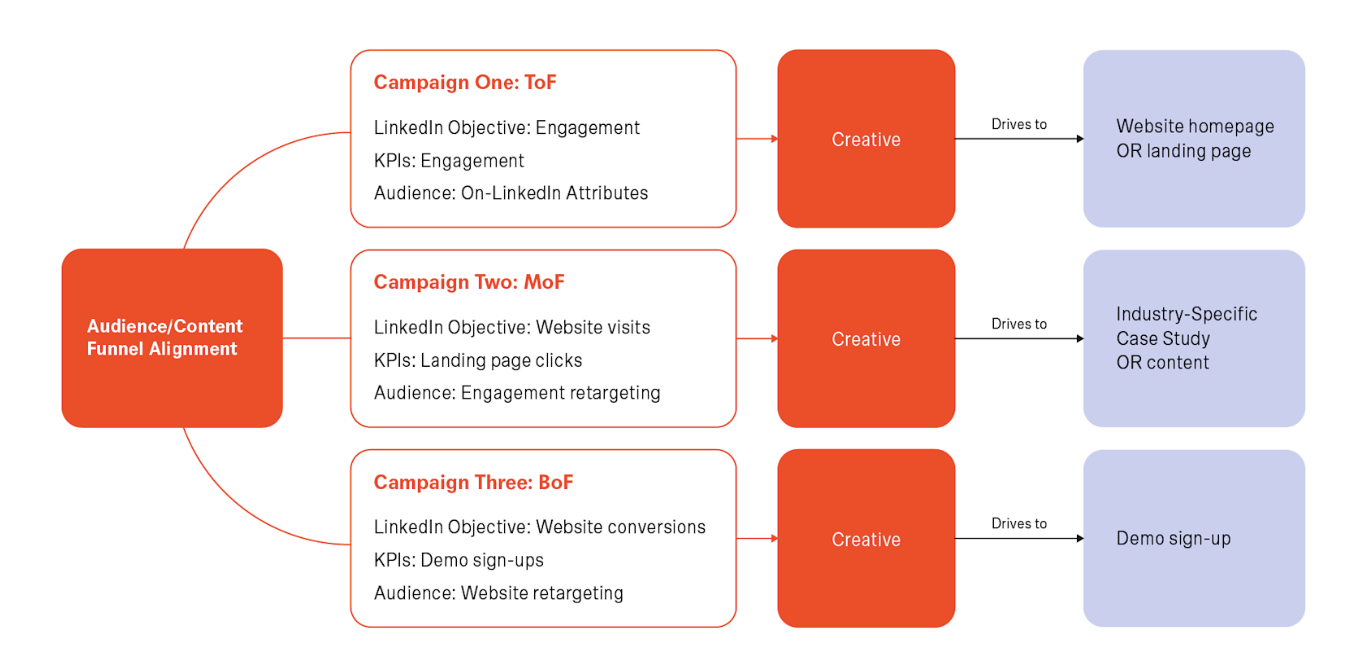
We have very quickly generated a table of creative ideas that tie directly to the persona’s deep desires and context and serve to raise awareness of our product, we can then recreate this across the funnel, using re-targeting and AI to test creative ideas.
—
Summary
We just used AI to help isolate a key persona, and create targeted campaigns. For overloaded marketers, this is the real win: instead of scrambling to post on every channel, you can spend less than an hour creating assets, repurpose them across the right platforms, and schedule a month of content that resonates.